Forums
New posts
Search forums
What's new
New posts
New media
New media comments
New profile posts
Latest activity
Media
New media
New comments
Search media
Members
Current visitors
New profile posts
Search profile posts
Log in
Register
What's new
Search
Search
Search titles only
By:
New posts
Search forums
Menu
Log in
Register
Install the app
Install
Forums
TECH
General Tech
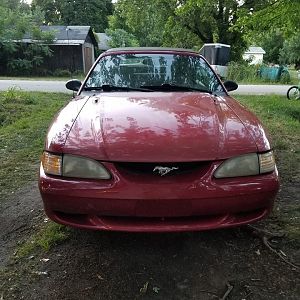
Basic questions '94 GT
JavaScript is disabled. For a better experience, please enable JavaScript in your browser before proceeding.
You are using an out of date browser. It may not display this or other websites correctly.
You should upgrade or use an
alternative browser
.
Reply to thread
Message
<blockquote data-quote="Michael Plummer" data-source="post: 1543162" data-attributes="member: 9170"><p>Clutch chatter Is a term used to describe a specific type of vibration or shuddering that occurs when engaging the clutch in a manual transmission vehicle. It typically occurs when the clutch disc makes partial contact with the flywheel and pressure plate, causing it to grab and release rapidly and unevenly.</p><p></p><p>Clutch chatter can manifest as a jerking or juddering sensation felt through the vehicle when starting from a stop, shifting gears, or engaging the clutch pedal. It often feels like a series of rapid vibrations or shakes that can be both felt and heard by the driver.</p><p></p><p>Several factors can contribute to clutch chatter: </p><p></p><p>1. Worn or contaminated clutch components: If the clutch disc, pressure plate, or flywheel is worn, damaged, or contaminated with oil or debris, it can cause uneven engagement and lead to clutch chatter.</p><p></p><p>2. Improper clutch adjustment: Incorrect clutch pedal free play or improper clutch linkage adjustment can result in incomplete clutch disengagement, causing chatter during engagement.</p><p></p><p>3. Misaligned or damaged transmission components: Issues such as a misaligned transmission, damaged input shaft, or worn pilot bearing can also contribute to clutch chatter by causing uneven contact between the components.</p><p></p><p>4. Driving habits: Aggressive driving, such as riding the clutch or slipping it excessively, can generate excessive heat and wear on the clutch components, leading to chatter over time.</p><p></p><p>5. Poor quality or mismatched clutch components: Using low-quality or mismatched clutch components not designed to work together can result in uneven engagement and contribute to clutch chatter.</p><p></p><p>To address clutch chatter, it is essential to diagnose and address the underlying cause. This may involve inspecting and replacing worn or damaged clutch components, adjusting the clutch properly, ensuring proper alignment of transmission components, and adopting smooth driving habits to minimize stress on the clutch. Professional assistance may sometimes be required to diagnose and resolve clutch chatter issues properly.</p><p></p><p>I hope this helps</p><p>Michael Plummer</p></blockquote><p></p>
[QUOTE="Michael Plummer, post: 1543162, member: 9170"] Clutch chatter Is a term used to describe a specific type of vibration or shuddering that occurs when engaging the clutch in a manual transmission vehicle. It typically occurs when the clutch disc makes partial contact with the flywheel and pressure plate, causing it to grab and release rapidly and unevenly. Clutch chatter can manifest as a jerking or juddering sensation felt through the vehicle when starting from a stop, shifting gears, or engaging the clutch pedal. It often feels like a series of rapid vibrations or shakes that can be both felt and heard by the driver. Several factors can contribute to clutch chatter: 1. Worn or contaminated clutch components: If the clutch disc, pressure plate, or flywheel is worn, damaged, or contaminated with oil or debris, it can cause uneven engagement and lead to clutch chatter. 2. Improper clutch adjustment: Incorrect clutch pedal free play or improper clutch linkage adjustment can result in incomplete clutch disengagement, causing chatter during engagement. 3. Misaligned or damaged transmission components: Issues such as a misaligned transmission, damaged input shaft, or worn pilot bearing can also contribute to clutch chatter by causing uneven contact between the components. 4. Driving habits: Aggressive driving, such as riding the clutch or slipping it excessively, can generate excessive heat and wear on the clutch components, leading to chatter over time. 5. Poor quality or mismatched clutch components: Using low-quality or mismatched clutch components not designed to work together can result in uneven engagement and contribute to clutch chatter. To address clutch chatter, it is essential to diagnose and address the underlying cause. This may involve inspecting and replacing worn or damaged clutch components, adjusting the clutch properly, ensuring proper alignment of transmission components, and adopting smooth driving habits to minimize stress on the clutch. Professional assistance may sometimes be required to diagnose and resolve clutch chatter issues properly. I hope this helps Michael Plummer [/QUOTE]
Insert quotes…
Verification
Post reply
Random media
Latest posts
1994 mustang key turned nothing happens
Latest: ttocs
37 minutes ago
94-95 5.0 - Specific
EFI to Carb conversion- Mods Sticky please
Latest: shovel
Today at 12:15 PM
94-95 5.0 - Specific
You can fit a carb or TBI under the stock SN95 hood.
Latest: shovel
Today at 12:06 PM
94-95 5.0 - Specific
Alternator relocation on a 94/95 5.0 - What's the cleanest and simplest?
Latest: shovel
Today at 12:02 PM
94-95 5.0 - Specific
What Did You Do To Your Car Today?
Latest: RAU03MACH
Today at 9:08 AM
The Garage
Share this page
Reddit
Pinterest
Tumblr
WhatsApp
Email
Share
Link
Forum statistics
Threads
78,534
Messages
1,535,715
Members
16,186
Latest member
Armand
Members online
cobrajeff96
Forums
TECH
General Tech
Basic questions '94 GT
Top